


Vintage Sardine 2024 (Jean-Yves Pennec)
Vintage 2024 — Artist’s Can by Jean-Yves Pennec
Sales unit: 115g can
-
In stock
Wunderbare zarte Sardinen. Ein Genuss.
Tolles Fischerboot Bild auf der Büchse.
Ein must have für Sammler.
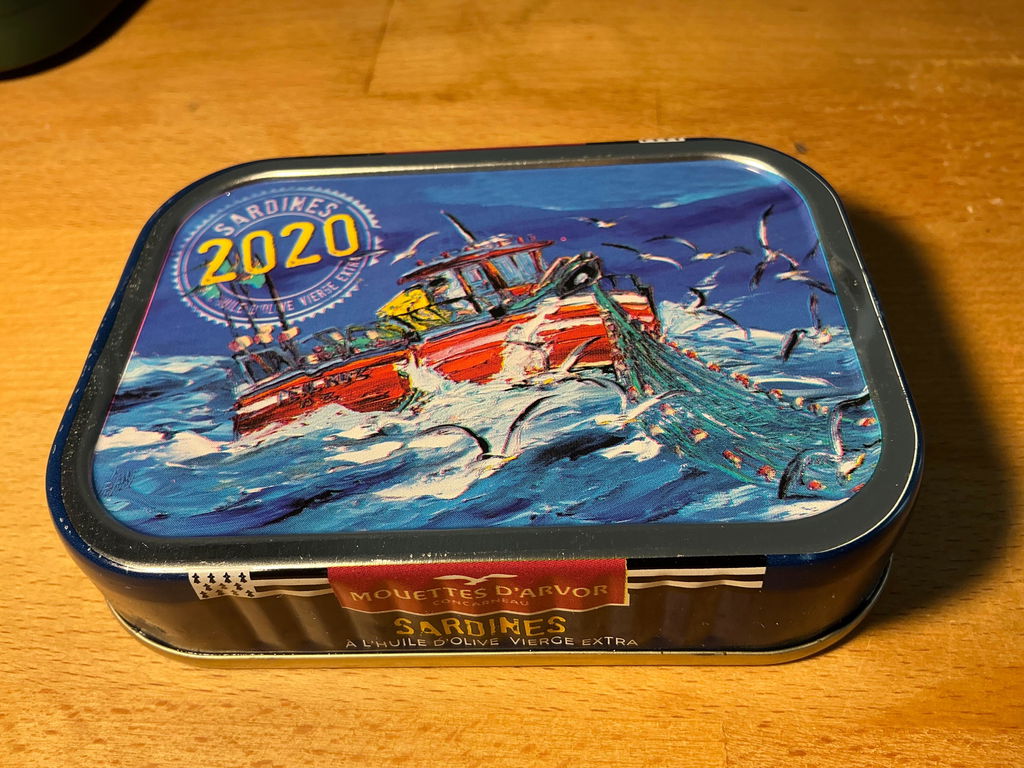
Vielen Dank, Rolf, für Ihre schöne Rückmeldung! Es freut uns sehr, dass Ihnen die Sardinen und das Design so gut gefallen. Wir hoffen, Sie weiterhin begeistern zu können.
Die Produkte sind spitze. Aber leider ist mir erst jetzt aufgefallen, dass nicht die Konservendose je t‘aime mit 2 Seepferdchen- die ich zum Hochzeitstag verschenken wollte geliefert wurde sondern eine andere mit anderem Cover die ich nicht bestellt habe -Schade jetzt stehe ich dumm da…weil ich es im Stress nicht sofort gesehen habe. bin aber sonst sehr zufrieden…
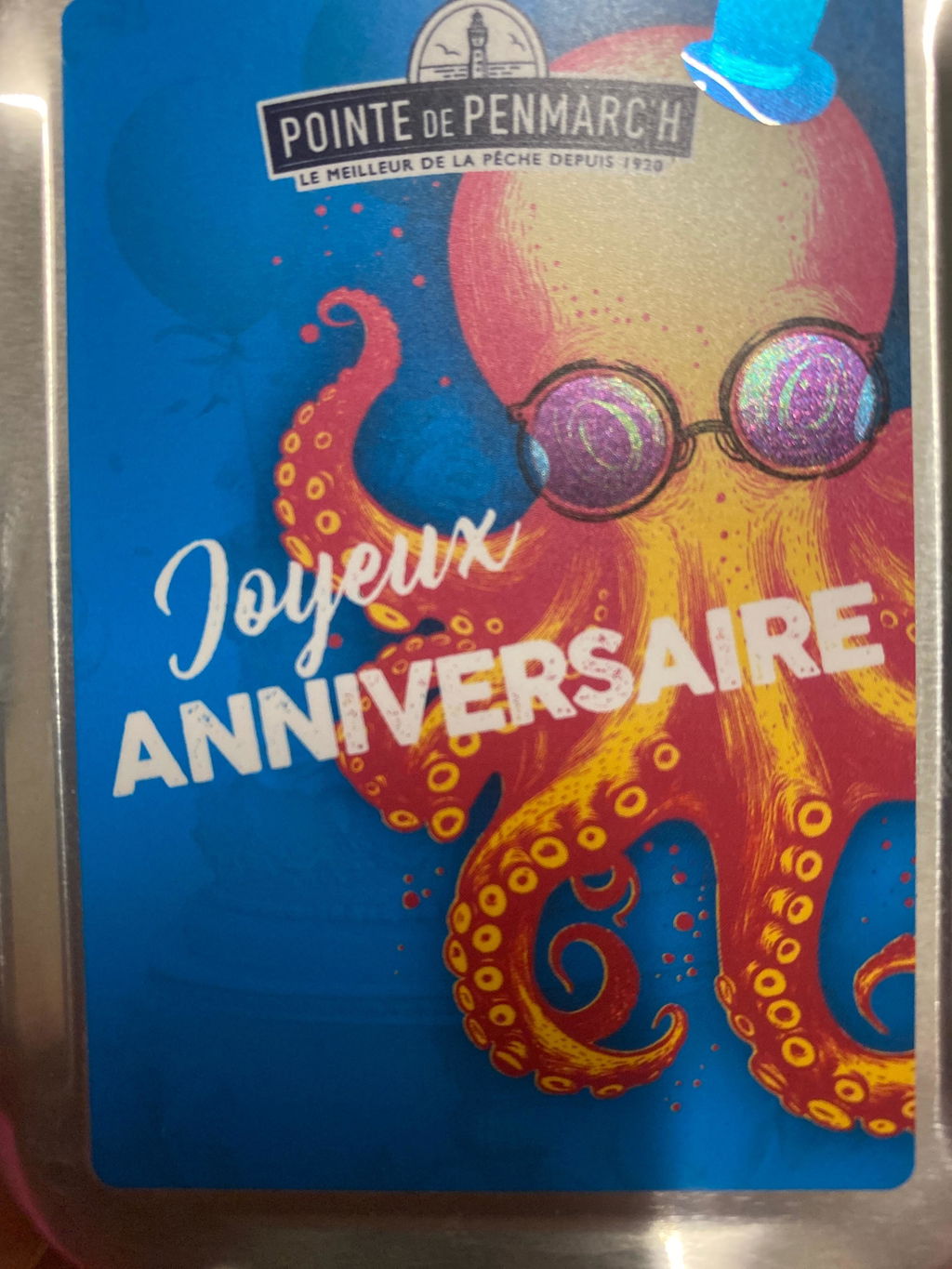
Hallo E., vielen Dank für Ihr Feedback. Es tut uns leid, dass es bei der Verpackung zu einer Verwechslung kam. Wir schätzen Ihre Zufriedenheit mit den Produkten sehr und werden das Anliegen umgehend prüfen, um solche Fehler in Zukunft zu vermeiden. Danke für Ihre Treue und Ihr Verständnis! Beste Grüße aus Berlin von Maître Philippe & Filles
Top Qualität, sehr lecker schicke Verpackung möchte man an liebsten nicht öffnen. Schnelle Lieferung , immer wieder gerne.
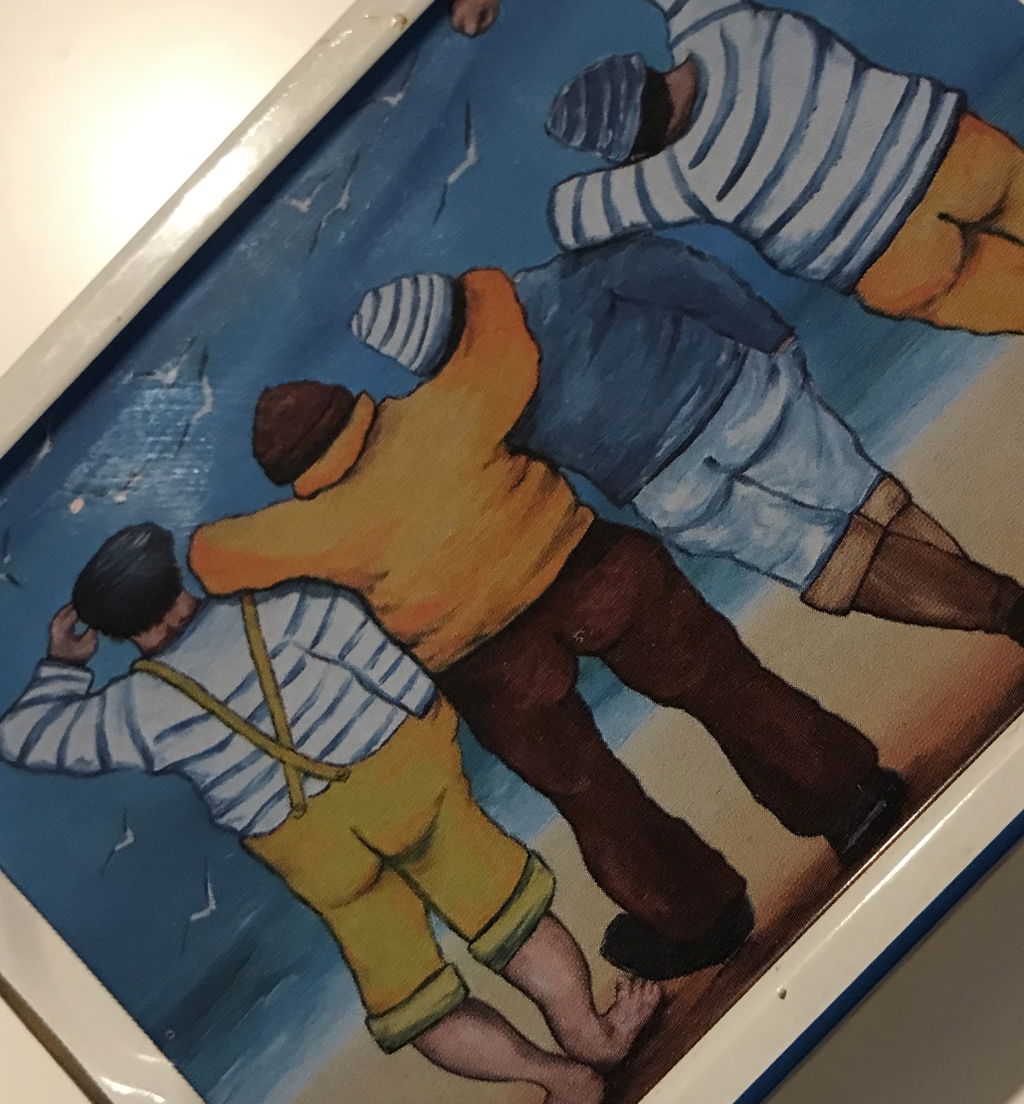
Der Versand erfolgte sehr schnell und unkompliziert. Der Inhalt war dann eine besondere Freude und wenn man sich hat durchringen können, die wunderschön gestalteten Dosen zu öffnen, wird man mit einem besonderen Geschmackserlebnis belohnt. Die Sardinen sind ein Genuß!!! Ich freue mich schon heute auf die nächste Lieferung. Bis bald...
Sehr guter Lieferservice und problemloser Bestellvorgang.
Muss unbedingt persönlich vorbeischauen!!
Die Sardinendose bleibt natürlich noch verschlossen.
Der Onlineshop ist nur zu empfehlen.

Immer wieder gern gesehener Fisch im Hause.
Hallo Roman, es freut uns sehr, dass Ihnen unser Fisch so gut gefällt! Vielen Dank für Ihre schöne Bewertung und Ihre Treue. Wir freuen uns auf Ihren nächsten Besuch!
Perfekte Verpackung, wunschgemäß geliefert.
Hallo Leonore, vielen Dank für Ihre schöne Bewertung! Es freut uns sehr, dass die Verpackung und die Lieferung ganz nach Ihren Wünschen angekommen sind. Wir wünschen Ihnen viel Freude beim Genießen – herzliche Grüße, Ihr Team von Maître Philippe & Filles.
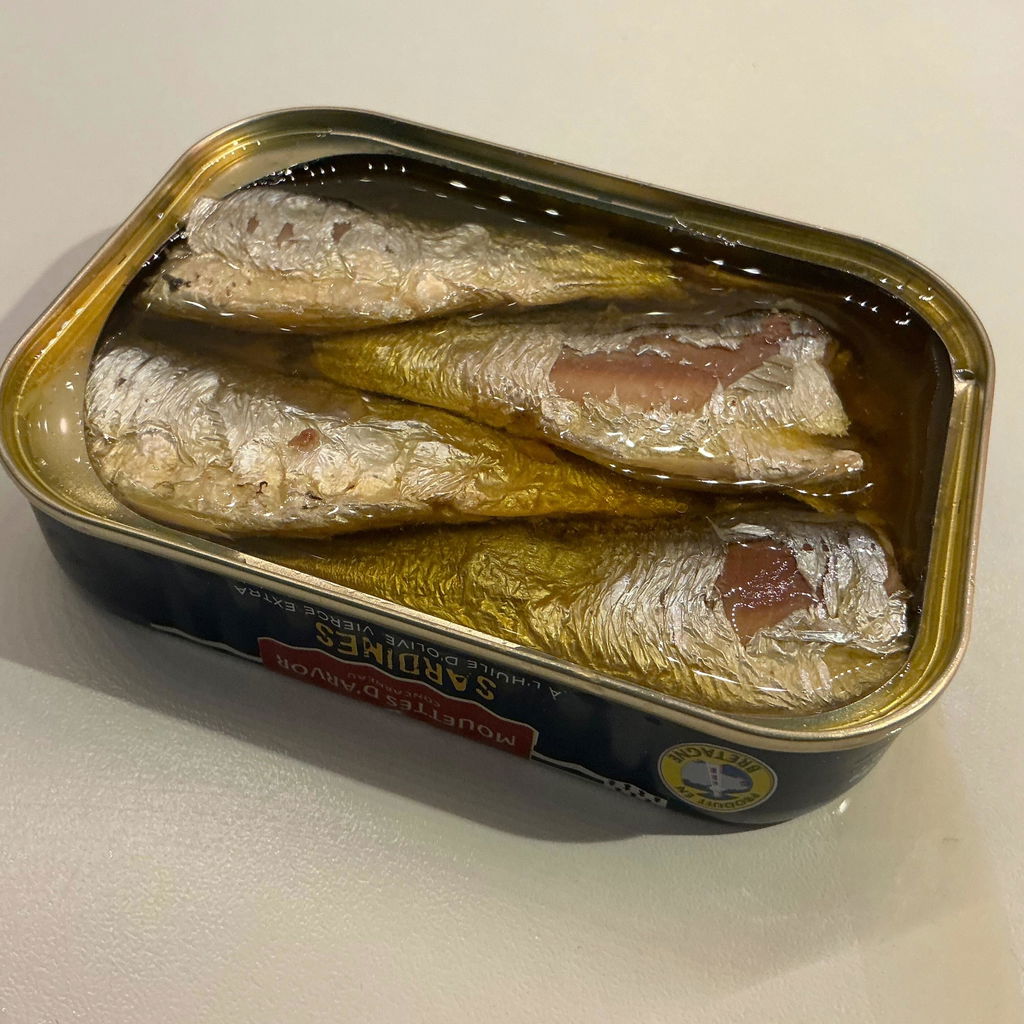
Die Jahrgangssardinen der Kollektion Mademoiselle Perle bestechen durch den großartigen Geschmack von Fisch, bestem Olivenöl, ein wenig Salz und sonst nichts. Mit einem Scheibchen Toast, einem Gläschen Champagner oder Crémant - einfach unvergesslich. Sardinen können so delikat sein.
Vielen Dank, Michael, für Ihre begeisterte Rückmeldung! Es freut uns sehr, dass Ihnen die Jahrgangssardinen so gut schmecken und Sie die Qualität zu schätzen wissen. Wir freuen uns auf Ihren nächsten Besuch!
Formidable
Vielen Dank, Frank, für Ihre positive Rückmeldung! Es freut uns sehr, dass Ihnen die Jahrgangssardinen 2016 in Olivenöl so gut gefallen. Wir hoffen, Sie bald wieder bei uns begrüßen zu dürfen.
Die Ware ist - wie erwartet - excellent !!
Vielen Dank, Manfred, für Ihr positives Feedback! Es freut uns sehr, dass Sie mit unserer Kollektion zufrieden sind.
Super Qualität, einfach perfekt!! Immer wieder gerne :)
Vielen Dank für Ihre tolle Bewertung! Es freut uns sehr, dass Sie mit unserem Produkt zufrieden sind. Wir freuen uns auf Ihren nächsten Besuch!
Super schöne Dosen, perfekter Fisch! Ein Hochgenuss!
Übrigens ist auch der Support von maitre de Philipp ein Hochgenuss!!! Wenn Fehler passieren, klare transparente Kommunikation und ein Service der Extraklasse den es nur noch selten zu finden gibt! Danke an das familiäre Team, super!!!
Was für eine herzliche Bewertung – vielen Dank! Dass Ihnen Dosen und Fisch so ein Hochgenuss waren, freut uns riesig. Und Ihre Worte zu unserem Service gehen runter wie gutes Olivenöl.
Offen und ehrlich zu kommunizieren, wenn doch mal etwas schiefläuft, ist uns wichtig – schön, dass Sie das so erlebt haben.
Das ganze Team dankt Ihnen von Herzen und freut sich aufs nächste Mal!
Herzliche Grüße
das Team von Maître Philippe & Filles
Wie immer perfekt. Sie werden gelagert und in 5 Jahren verspeist in einer Probe
Wir haben bis dato nur 2 Dosen geöffnet. Die Qualität ist Top. 4 Dosen habe ich an meine Töchter verschenkt. Es waren jene, bein denen das Erntejahr, soweit möglich, dem Geburtsjahre meiner Enkelkinder entsprach. 3 von 4 waren möglich.
Vielen Dank, Franz! Es freut uns sehr, dass Sie mit der Qualität zufrieden sind und Ihre Geschenke so persönlich gestalten konnten. Wir hoffen, Ihre Töchter und Enkelkinder genießen die Dosen ebenso sehr!
Leider war bei 3 Dosen das Verfallsdatum überschritten, andere sehr nahe dran. Insofern war ich unzufrieden
Lieber Laurenz,
es tut mir leid, dass Du unzufrieden mit Deinen Jahrgangssardinen bist. Bei der von Dir bestellten Kollektion handelt es sich um Jahrgangssardinen. Diese reifen über die Jahre und sind absolute Sammlerstücke. Du hast ein paar der letzten Dosen 2015er und 2016er bekommen, danach sind sie auf ewig ausverkauft. Die Konserverien geben maximal 10 Jahre MHD auf die Dosen, diese sind bei richtiger Lagerung aber auch noch weit über das Erreichen des MHD haltbar.
Übrigens weisen wir bei den Jahrgangssardinen darauf hin, dass das Erreichen des MHDs kein Zeichen eines Qualitätsmangels ist. Auch wäre es schön gewesen, Du hättest uns vor Veröffentlichen einer schlechten Rezension direkt kontaktiert, dann hätten wir das alles erklären können. Gern kannst Du Dich telefonisch oder per Mail bei uns melden, solltest Du noch weitere Fragen haben. Liebe Grüße aus Berlin, Anaïs
Schnelle Lieferung, sicher verpackt, erstklassige Qualität! Geschmacklich nicht zu übertreffen.
Hatten die Sardinien vorher in einem Lokal gegessen. Sie uns so begeistert, dass wir sie bestellt haben. Lieferung und das Produkt waren sehr gut, die Versandkosten definitiv zu hoch.
Sensationelle und perfekt verpackte Ware, exzellenter und hilfsbereiter Kundenservice!
Kann noch keine Beurteilung abgeben, die Dosen dürfen, müssen noch lagern. Aber aus bisheriger Erfahrung mit anderen Jahrgängen bin ich mir sicher eine gute Qualität zu haben. 2021 konnte ich eine Dose von 1991 geniessen. Diese dreissig Jahre haben dem Inhalt nicht geschadet. Phänomenal!
Ich kann sie jetzt noch nicht bewerten, da ich die Sardinen liegen lassen möchte. In Hamburg habe ich im Restaurant jahrgangssardinen von 2016 gegessen. Die waren ein Knaller. Man soll sie, wie einen sehr guten Wein, liegen lassen können.
Ja, Sie haben recht, man muss sie liegen lassen und ca. alle 6 Monate umdrehen, damit das Öl sich gut verteilt. Viel Spass damit und beste Grüße aus Berlin.
Alles Gut bis auf die Lieferfa. DPD
Brauchte 5 Tage zur Lieferung
Die Jahrgangssardinen sind außerordentlich lecker - ich genieße sie am liebsten, wenn sie 2-3 Jahre alt sind - und die Dosen sind so hübsch, dass ich mit den leeren Dosen meine Küchenwände.
Tolles Produkt, tolles Dosendesigne, perfekte Um/Versandverpackung…
Sehr gutes Produkt, tolles Designe, sehr gute schützende Verpackung
Jahrgangssardinen 2015 in Olivenöl (Mademoiselle Perle)
Ich habe nach längerer Zeit (zwischendurch hatte sich M P & F ja abgemeldet) wieder mal Jahrgangssardinen bestellt. Die Lieferung dauerte etwas. Die Verpackung war sehr gut. Die Dosen alle heil. Mademoiselle Perl Dosen gefallen mir besonders gut und schmecken natürlich auch hervorragend. Ich habe diese von 2015 bis 2022 durchgehend.
With this series, La Compagnie Bretonne pays tribute to both the canning factory's historic expertise and the creative work of contemporary artists from the region.
The vintage represents sardines of the highest quality, which improve in flavour over time.
Jean-Yves Pennec was invited to join this new artistic collaboration and created a unique work for La Compagnie Bretonne. His artistic practice involves collecting and recycling poplar wood from crates and bourriches (oyster crates) at markets when greengrocers dismantle their stalls. Using a knife and adhesive, he disassembles and deconstructs the materials, reassembling them to create his artworks.
Sardines (sardina pilchardus) are caught as a seasonal catch during the main season from May to October, when they are at their fullest and therefore the most tender and flavourful.
The fish come from the Breton ports of Lorient, Concarneau, Douarnenez and Saint-Guénolé, as well as occasionally from St. Gilles Croix de Vie in the Vendée.
At the workshop in Penmarc'h, the sardines are processed fresh using traditional methods, headed and gutted by hand. The subsequent frying in oil gives the sardines their characteristic candied flavour, which is particularly prized by connoisseurs and contributes to optimal maturation in the can.
This processing method was already practised by the father and grandfather of the current director, Jean-François Furic. The cooking oil used is changed more frequently than required by the Label Rouge standard. At the canning factory, the packing is done by hand in the style known as "en bleu" (back-to-back), with four to six sardines placed in each can.
🚚 Liefergebiet
Der Versand unserer Artikel erfolgt standardmäßig nach Deutschland, Österreich und Dänemark. Kunden aus anderen EU-Mitgliedsstaaten können Bestellungen aufgeben, sofern sie eine Lieferadresse in unserem angegebenen Liefergebiet angeben oder die Abholung/Weiterbeförderung durch einen eigenen Dienstleister selbst organisieren.


